The condition when there is an improper movement of food, fluids, and gas in the bowel is referred to as bowel obstruction. Obstructions are of two types:
Partial: In this type some of the fluids or gases can pass through the bowel
Complete: In this type nothing is able to pass through the bowel
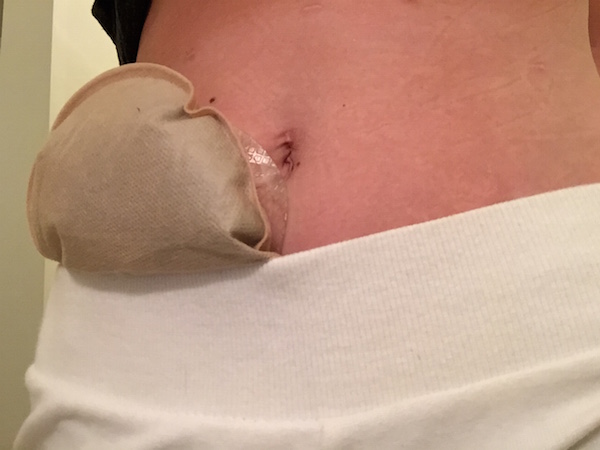
Among the patients who have been admitted in a hospital due to abdominal pain, 20 % are having a bowel obstruction. And out of that 20%, a lot of them (80%) have a small obstruction in their bowel. The bowel obstructions can occur due to a variety of reasons. But most common ones are:
∙ Adhesion
∙ Food obstruction
The details have been discussed below.
Adhesions are meant to be bundles or bands of tissues, those of scar tissues. They can cause bowel obstruction by:
∙ Connecting with the adjoining portions of the bowel together
∙ Binding the bowel with other organs inside the abdomen
∙ Stapling the bowel within the abdominal wall
The normal movement of food, liquids, and gas can be disturbed throughout the intestines due to these scar tissues. In most cases, scar tissues are formed when normal tissues are destroyed or disturbed due to any reason. Scar tissue is formed during the repair of those disturbing tissues. The reasons that can an adhesion are:
∙ Surgery
∙ Abdominal infection
∙ Trauma
∙ Radiation therapy
In more than 90% of patients who have undergone surgery, adhesion is the most occurring complication. The process of adhesion initiates within a few days, following the surgery. People remain unaware of the adhesion because there is no pain and other complications. Sometimes, there is no pain and complications for months and years even if the adhesion is there. If adhesion has been the cause of your bowel obstruction, then this might cause obstruction again.
The other reason for bowel obstruction is when food becomes stuck in the intestines, mostly when it tries to pass through the ileostomy. This issue is a great concern following the first 6- weeks of the ileostomy. During this period the bowel is swollen due to surgery. However, the swelling is temporary but it narrows down the lumen. Lumen is the inner opening of the bowel. This narrow opening will not allow food to easily pass through the stoma. The foods that can cause problems are:
∙ Cellulose i.e. Fruits, veggies, nuts, and grains
∙ Foods with casings i.e. Sausages, cold cuts
∙ Beef
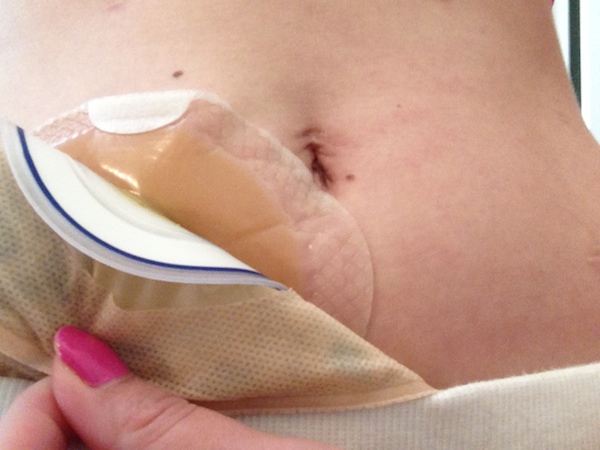
You can take these foods in a very small amount but if taken in large quantities then they can be a reason for discomfort. Poorly chewed and cooked food can cause problems. As discussed earlier, this happens during the first 6-8 weeks following the surgery until the stoma recovers. After that time period, you will be allowed to eat most of these foods with some precautions.
SYMPTOMS
Some typical symptoms of bowel obstruction is:
∙ Abdominal pain followed by cramps
∙ Bloated abdomen
∙ Intense and constant pain in the abdomen
∙ Loss of appetite
∙ Nausea
∙ Vomiting
It can change the output of your ileostomy. For example in the case of partial or small bowel obstruction, it can be very noisy and forceful; you will not see any solids in the output. And in case of complete obstruction, there will be no solid, liquid, or gas at all.
If you notice bowel obstruction consult with your doctor immediately. It’s important to connect with an expert rather than treating it in your own way. You can help yourself by making more space in the opening of the Ostomy flange in order to adjust extra swallowing. If you are not having vomits then you should avoid eating solid foods and drinking plenty of fluids. Water is the best option.
Immediate treatment is needs when:
∙ You are vomiting
∙ Having severe and constant pain
∙ You have no stomal output for the last 12 hours
In these cases, you should contact your nearest emergency center for the initial treatment. You would have to answer some basic questions about your medical history and reports. Then they will run some tests such as X-ray and CT scan of your abdomen. Initially, the treatment involves:
∙ Stopping any kind of oral intake
∙ Intravenous fluids
∙ Medication
∙ Doctors might insert a nasogastric tube that will help to drain out water from the stomach through the nose. This will get some relief from pain and will help to stop vomits. Some time is needed to recover from an obstruction. After some days you will be able to take a normal diet. You will be under observation.
∙ If the obstruction prolongs or there is no recovery then surgery may be needed to resolve the issue.
Though, the two possible and most common causes of obstruction have been discussed in this article, but there are other potential exceptions. It’s not guaranteed whether you will have another bowel obstruction or not. But, according to the surgery’s condition and history, you may develop greater chances to have another obstruction. If you notice any of the mentioned symptoms, seek your doctor immediately.
 Inflammatory Bowel Disease