Inflammatory bowel disease actually involves two main pathologies of the intestines
- Crohn’s disease
- Ulcerative colitis
Both of these pathologies develop chronic inflammation. Severe abdominal pain, diarrhea, and rectal bleeding are the main symptoms. In case of Crohn’s disease, there can be inflammation anywhere in the GIT and can spread throughout the bowel thickness. It can occur in a single large portion or in small patches. Ulcerative colitis causes inflammation only in the inner mucosa and it starts from the anus and progressively ends at the colon only.
The actual cause behind IBD is still not cleared. But research and study has shown that the following factors are the reason for this pathology:
- Environmental factors
- Intestinal microorganisms
- Immune dysregulation genetic predisposition
A recent study has revealed that there is a critical link between IBD and anxiety. According to a survey IBD patients have a higher ratio of anxiety and depression. Roughly estimated 80% of patients with IBD have anxiety and abnormal psychological issues during the flare-up. The anxiety is more developed in the patients suffering from Crohn’s disease. In some cases, the intensity of the signs and symptoms can be the cause of anxiety but in most cases, anxiety comes even before symptoms.
According to recent research anxiety can worsen the condition of the patients by enhancing the flare-ups. Another research shows that active mucosal inflammation is a reason for the increased psychological signs. This research is very beneficial because it shows the importance of controlling inflammation. Proper treatment can reduce the chances of anxiety.
There are some specific factors that can enhance the chances to develop anxiety in an IBD patient. These are:
- Aging
- Psychological stress
- Increasing age
- Severe active disease such as cancer
- Surgery
- Lack of awareness
- Poor socioeconomic status
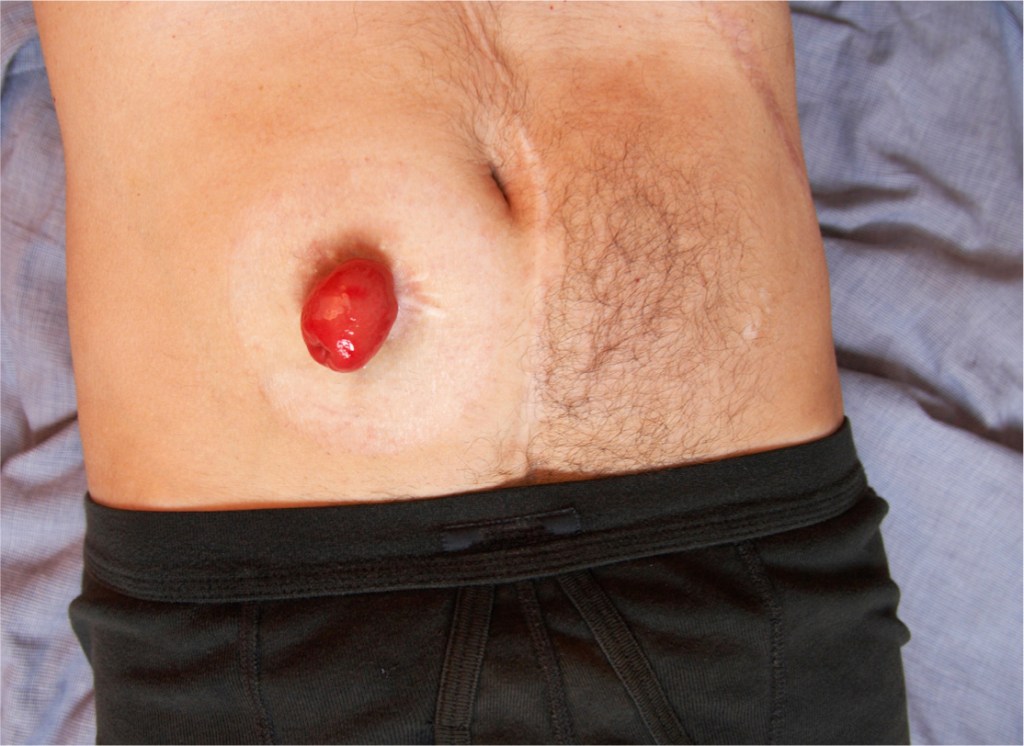
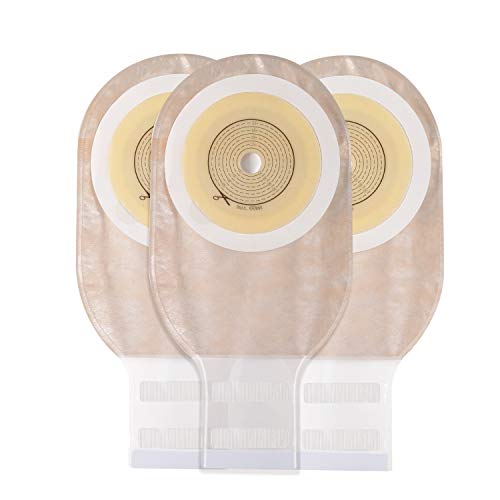
Patients who have undergone or are going through Ostomy are more likely to develop anxiety. Ostomy patients have a sudden change in their life and have more chances to develop psychological and emotional problems. But in most cases, they have no access to the proper psychological help. It’s a very hard task to survive with an Ostomy. The physicians and friends of Ostomy patients should try to help them in every aspect of treatment and life.
What is meant by Ostomy?
An Ostomy is a procedure in which an opening is created surgically that allows the waste to exit the body. In some situations such as abdominal injury or any abdominal disease, the digestive system fails to perform its functions properly, that is why a surgeon suggests removing or diverting the parts of the ileum ( small intestine) or colon (large intestine). During an Ostomy if the surgeon removes the eliminatory parts then an opening is created in the abdominal wall which is called a stoma. A stoma is a small opening that allows the body waste to exit the body through it rather than the anus. If the small intestine involves in this procedure then the Ostomy is termed as ileostomy, and if the colon is involved then it is called a colostomy. Both ileostomy and colostomy can be permanent or temporary depending on the condition of the patient.
The effects of Functional GI disorders
IBD is referred to as organic bowel disease. This means that it has particular, estimated psychological effects on the body. In case of Irritable bowel syndrome (IBS), there are visible symptoms but no determined physical reasons, so it is called a functional condition. Usually, patients with functional GIT disorders have more psychological issues, so it is easy for a doctor to diagnose anxiety in these people. But in the case of IBD, as mentioned earlier that it is an organic disease, most doctors leave the patients untreated just because they don’t see any symptoms of anxiety in them.
It is interesting to know that a doctor uses the diagnosis method of organic GI pathology to screen a functional disorder. In some situations, both can occur at the same time, it’s quite frequent. According to an Australian research 66% of the patients with IBD are diagnosed with functional disorder too. It is obviously true for those who have anxiety and IBD both at the same time. So it is very crucial for a doctor to learn the difference between normal IBD symptoms and the symptoms that can be due to irritable bowel syndrome or functional dyspepsia.
How to treat IBD and Anxiety:
According to the authors and researcher, it is important first to differentiate between a normal IBD and a functional disorder. It’s hard to differentiate between them. It’s recommended that the physician first note down the signs of inflammation, treat them and if the symptoms are still there it gives a clue that there is a functional disorder too. Upon this, the doctor can start treatment for both of the disorders.
In many cases, the practitioners and experts of IBD disorders problems don’t have significant knowledge for the treatment of psychological problems. In these cases, the anxiety is left untreated and in many cases, patients hesitate to seek out help due to social limitations. In these cases, the anxiety is left untreated. When it is left untreated for too long and patients develop a stigma then it can cause many other disabilities in the future. It is very crucial that the doctors have knowledge about the anxiety that coexists in patients with IBD. They should be aware of the risks that anxiety can bring in IBD patients. It is also encouraged if a patient asks for help in case he is facing psychological issues and he is not able to control it.
It is recommended by the researchers that a doctor should prepare a questionnaire in order to detect anxiety along with IBD. They can ask general questions. The questions should be simple and not too long which can be stressful and burdensome for the patients.
For dealing with anxiety patients, it would be great if there is a gastroenterologist or psychologist present at the clinic or hospital. Besides the IBD medication, the therapy can also help to improve the condition. But studies show that if patients are not facing anxiety then there is no use of a psychiatrist or psychologist. That’s why it’s very important to diagnose it properly.
Anxiety treatments come with many other benefits. It has been observed that if a psychologist uses cognitive behavior therapy in an adult, this not only lessen the anxiety but also reduce the pain and intensity of the disease. CBT is recommended for IBS as well.
 Inflammatory Bowel Disease